 2010 Audi A8 Review
MSRP: From $74,550
Although it may lack the snob appeal of some of its fellow Germans, the 2010 Audi A8 gives up nothing when it comes to luxury, performance and craftsmanship.
Luxurious and handsome cabin, excellent driving dynamics, standard all-wheel drive.
Prestige factor not quite equal to chief rivals, limited engine choice, outdated MMI interface.
What's New for 2010
For the 2010 A8, Audi has discontinued the 12-cylinder engine, making the V8 the only one offered. The standard wheelbase version gets 19-inch wheels and a revised trunk lid with integral spoiler. The long-wheelbase L version now has massaging front seats as standard as well as contrasting stitching and piping for the upholstery.
2010 Audi A8 Vehicle Overview
Introduction
For many of the wealthy among us, a full-size luxury sedan is more than a way of getting to soirees, art gallery openings and the cottage in the Hamptons. In addition to providing sumptuous, speedy transport, a luxury sedan must also provide prestige. And there are plenty of obvious choices that trumpet that message to the masses loud and clear. But for those who prefer a more understated aesthetic, the 2010 Audi A8 is a compelling proposition, even if it won't necessarily raise as many eyebrows in the country club parking lot.
As it always has, Audi's flagship features an impeccably finished cabin, powerful yet refined performance and polished road manners. Audi's adaptive air suspension handles interstate cruises and serpentine mountain roads with equal ease, while the standard all-wheel drive provides an extra measure of confidence when the weather turns nasty on the way to the ski lodge. Even now, in its last year of this generation (next year brings a redesigned A8), this Audi's timeless styling manages to look muscular and elegant at the same time.
And yet, despite its many charms, including a price tag thousands lower than its rivals, the 2010 Audi A8 trails the BMW 7 Series, Lexus LS 460 and Mercedes-Benz S-Class in the sales chart race. This seemingly illogical situation can likely be attributed to the A8's slight but undeniable lack of cachet compared with its chief German rivals, as well as its inability to compete with the LS 460's sterling reputation for quality. But if one can set aside these mostly perceived deficiencies, the A8 is certainly worth a close look.
Body Styles, Trim Levels, and Options
The 2010 Audi A8 comes in two trims: standard and long-wheelbase L (which provides more room for rear seat passengers).
Both A8 models come standard with alloy wheels (19-inch on standard A8, 18-inch on L trim), xenon headlights, a sunroof, Audi's Multi Media Interface (MMI) system, a navigation system, cruise control, leather upholstery, 16-way power front seats, heated front and rear seats, dual-zone automatic climate control, a parking system with a rearview camera, keyless ignition/entry, a power trunk opener, power door closers, Bluetooth and a 12-speaker Bose surround-sound audio system with satellite radio, iPod connectivity and a CD changer.
The L adds four-zone climate control, ventilated/massaging front seats, contrasting stitching and piping on the upholstery and lumbar adjustment for all passengers.
Options include 20-inch wheels, carbon-fiber interior trim (standard A8), massaging front seats (standard A8), a solar-powered venting sunroof, upgraded leather interior trim, a 1,000-watt Bang & Olufsen audio system and a Technology package that adds adaptive cruise control, a lane departure warning system and a blind-spot warning system.
Powertrains and Performance
Both the standard and L models come with a 4.2-liter V8 that makes 350 horsepower and 325 pound-feet of torque. It comes matched to a six-speed Tiptronic automatic transmission that drives all four wheels through Audi's Quattro AWD system.
Despite its substantial size, this is a quick luxury sedan. Either version can hit 60 mph in the low 6-second range and cover the quarter-mile in the low 14s. Fuel economy ratings are the same for both at 16 mpg city/23 mpg highway and 18 mpg combined.
Luxurious and handsome cabin, excellent driving dynamics, standard all-wheel drive.
Prestige factor not quite equal to chief rivals, limited engine choice, outdated MMI interface.
What's New for 2010
For the 2010 A8, Audi has discontinued the 12-cylinder engine, making the V8 the only one offered. The standard wheelbase version gets 19-inch wheels and a revised trunk lid with integral spoiler. The long-wheelbase L version now has massaging front seats as standard as well as contrasting stitching and piping for the upholstery.
2010 Audi A8 Vehicle Overview
Introduction
For many of the wealthy among us, a full-size luxury sedan is more than a way of getting to soirees, art gallery openings and the cottage in the Hamptons. In addition to providing sumptuous, speedy transport, a luxury sedan must also provide prestige. And there are plenty of obvious choices that trumpet that message to the masses loud and clear. But for those who prefer a more understated aesthetic, the 2010 Audi A8 is a compelling proposition, even if it won't necessarily raise as many eyebrows in the country club parking lot.
As it always has, Audi's flagship features an impeccably finished cabin, powerful yet refined performance and polished road manners. Audi's adaptive air suspension handles interstate cruises and serpentine mountain roads with equal ease, while the standard all-wheel drive provides an extra measure of confidence when the weather turns nasty on the way to the ski lodge. Even now, in its last year of this generation (next year brings a redesigned A8), this Audi's timeless styling manages to look muscular and elegant at the same time.
And yet, despite its many charms, including a price tag thousands lower than its rivals, the 2010 Audi A8 trails the BMW 7 Series, Lexus LS 460 and Mercedes-Benz S-Class in the sales chart race. This seemingly illogical situation can likely be attributed to the A8's slight but undeniable lack of cachet compared with its chief German rivals, as well as its inability to compete with the LS 460's sterling reputation for quality. But if one can set aside these mostly perceived deficiencies, the A8 is certainly worth a close look.
Body Styles, Trim Levels, and Options
The 2010 Audi A8 comes in two trims: standard and long-wheelbase L (which provides more room for rear seat passengers).
Both A8 models come standard with alloy wheels (19-inch on standard A8, 18-inch on L trim), xenon headlights, a sunroof, Audi's Multi Media Interface (MMI) system, a navigation system, cruise control, leather upholstery, 16-way power front seats, heated front and rear seats, dual-zone automatic climate control, a parking system with a rearview camera, keyless ignition/entry, a power trunk opener, power door closers, Bluetooth and a 12-speaker Bose surround-sound audio system with satellite radio, iPod connectivity and a CD changer.
The L adds four-zone climate control, ventilated/massaging front seats, contrasting stitching and piping on the upholstery and lumbar adjustment for all passengers.
Options include 20-inch wheels, carbon-fiber interior trim (standard A8), massaging front seats (standard A8), a solar-powered venting sunroof, upgraded leather interior trim, a 1,000-watt Bang & Olufsen audio system and a Technology package that adds adaptive cruise control, a lane departure warning system and a blind-spot warning system.
Powertrains and Performance
Both the standard and L models come with a 4.2-liter V8 that makes 350 horsepower and 325 pound-feet of torque. It comes matched to a six-speed Tiptronic automatic transmission that drives all four wheels through Audi's Quattro AWD system.
Despite its substantial size, this is a quick luxury sedan. Either version can hit 60 mph in the low 6-second range and cover the quarter-mile in the low 14s. Fuel economy ratings are the same for both at 16 mpg city/23 mpg highway and 18 mpg combined.
 Safety
Standard on all 2010 Audi A8s are antilock brakes, stability and traction control, full-length side curtain airbags, front- and rear-seat side airbags and active front headrests.
Interior Design and Special Features
The interior of the A8 provides first-class comfort, especially in the L version, which boasts a limolike 42 inches of rear legroom. In typical Audi fashion, the fit and finish is superb, with generous amounts of wood, Alcantara and aluminum accents lending a luxurious ambience.
With a 16-way power-adjustable driver seat (including upper seatback angle) and a power tilt-and-telescoping steering wheel, finding a comfortable driving position is easy for folks of all body types. The dash is uncluttered by buttons thanks to Audi's MMI, which handles everything from the navigation and audio systems to the adjustment of the driver-selectable air suspension. Though it is intuitive for the most part, the A8 uses the older version of MMI, and cycling through the network of menus remains a labor-intensive process.
Interior Design and Special Features
The interior of the A8 provides first-class comfort, especially in the L version, which boasts a limolike 42 inches of rear legroom. In typical Audi fashion, the fit and finish is superb, with generous amounts of wood, Alcantara and aluminum accents lending a luxurious ambience.
With a 16-way power-adjustable driver seat (including upper seatback angle) and a power tilt-and-telescoping steering wheel, finding a comfortable driving position is easy for folks of all body types. The dash is uncluttered by buttons thanks to Audi's MMI, which handles everything from the navigation and audio systems to the adjustment of the driver-selectable air suspension. Though it is intuitive for the most part, the A8 uses the older version of MMI, and cycling through the network of menus remains a labor-intensive process.

Driving Impressions
Whether taking off from a stoplight or jetting up to cruising speed on the freeway, the 2010 Audi A8 always puts a solid rush of power on tap. Moreover, the powerful and easily modulated brakes have no problem reining in this luxury liner. While the air suspension works just fine in automatic mode, the "Dynamic" setting tightens up body control considerably, making the A8 feel more like a sport sedan than a large flagship luxury car.
Whether taking off from a stoplight or jetting up to cruising speed on the freeway, the 2010 Audi A8 always puts a solid rush of power on tap. Moreover, the powerful and easily modulated brakes have no problem reining in this luxury liner. While the air suspension works just fine in automatic mode, the "Dynamic" setting tightens up body control considerably, making the A8 feel more like a sport sedan than a large flagship luxury car.


 2010 Toyota Hybrid Camry Front Angle View
 2010 Toyota Hybrid Camry Side View
 2010 Toyota Hybrid Camry Seats
 2010 Toyota Hybrid Camry View Interior
 2010 Bentley Continental Supersports
 2010 Bentley Continental Supersports
 2010 Bentley Continental Supersports Interior
 2010 Nissan 370Z Touring Roadster
 2010 Nissan 370Z Touring Roadster
 2010 Nissan 370Z Touring Roadster
 2010 Nissan 370Z Touring Roadster Dashboard
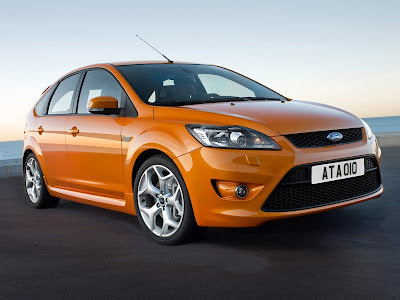 2008 Ford Focus ST
 2008 Ford Focus ST


